Yves Saint Laurent
The couturier who brought art, power, and the tuxedo to the modern woman.
No designer did more to shape how women dress today than Yves Saint Laurent. From the tuxedo to the safari jacket to ready-to-wear itself, he gave the twentieth-century woman an entirely new wardrobe, and he made the bold costume jewelry that finished it an essential part of the look.

From Oran to the Rue Spontini
Yves Saint Laurent was born in 1936 in Oran, in French Algeria, a shy boy who escaped into sketching and the theater. At seventeen he took a prize in an international design competition, and his drawings so resembled Christian Dior's own that Dior hired him on the spot. When Dior died suddenly in 1957, Saint Laurent, just twenty-one, was named to lead the most famous house in fashion, and his debut Trapèze line very likely saved it.
Conscripted during the Algerian war in 1960, he suffered a breakdown and was replaced at Dior. With his partner Pierre Bergé he sued the house, won, and used the settlement to open a maison of his own. The first Yves Saint Laurent collection, shown in 1962, was met with a standing ovation.
A House of His Own
Over the next four decades he rewrote the rules. Le Smoking, the tuxedo for women, arrived in 1966, and the safari jacket, the sheer blouse, the jumpsuit, and the Mondrian dress followed. With Rive Gauche he made ready-to-wear a serious art rather than an afterthought, and he brought painting, theater, and the cultures of the world onto the runway. By the 1970s he was, by common agreement, the most influential designer alive.
Over the years I have learned that what is important in a dress is the woman who is wearing it.Yves Saint Laurent
Why His Jewelry Matters
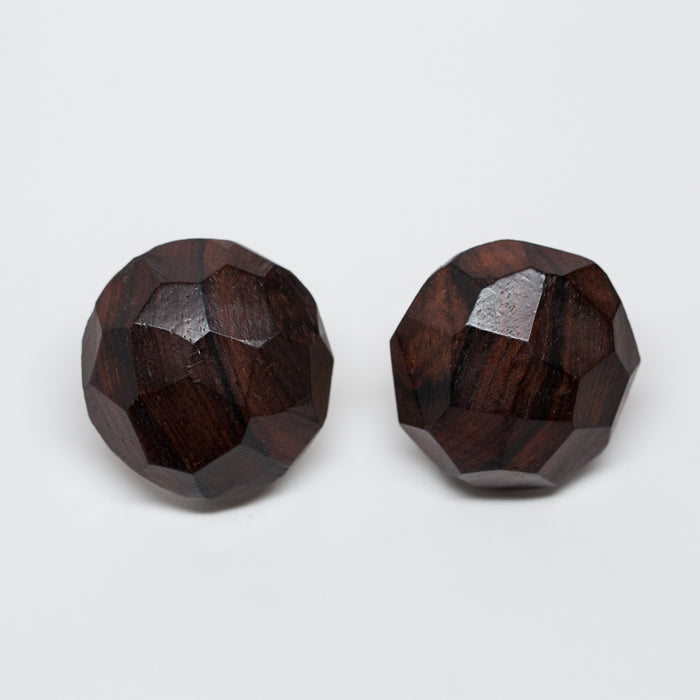
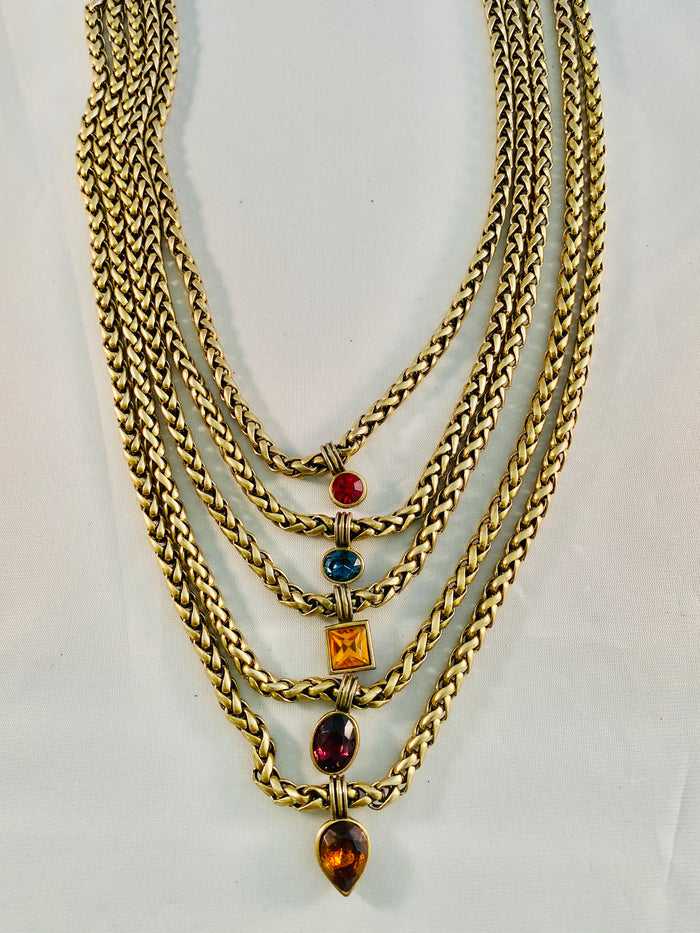
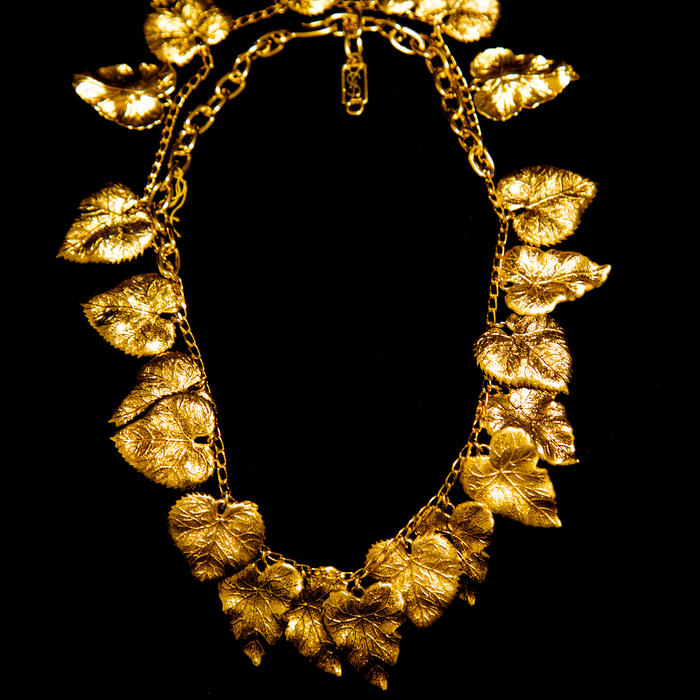
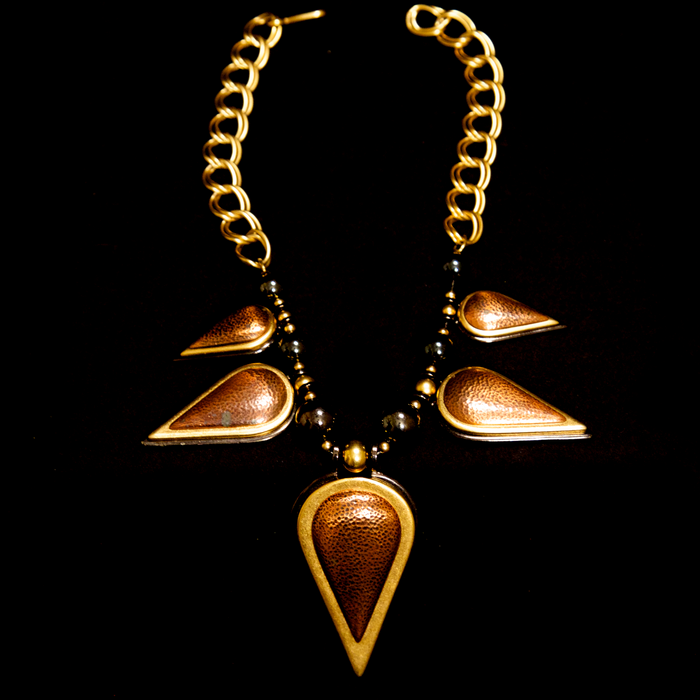
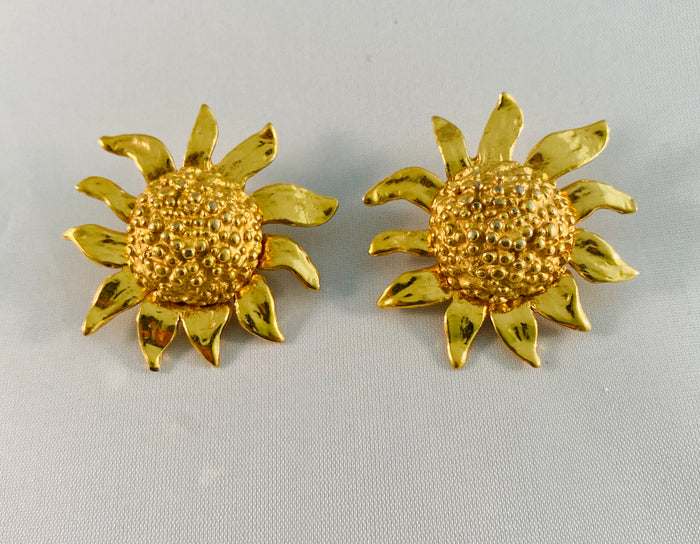
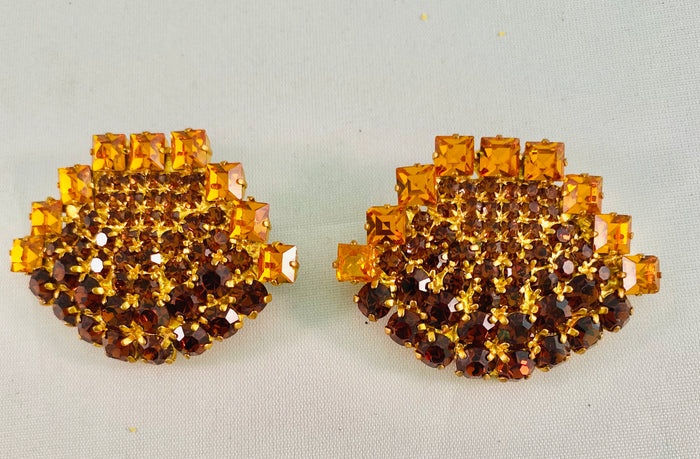
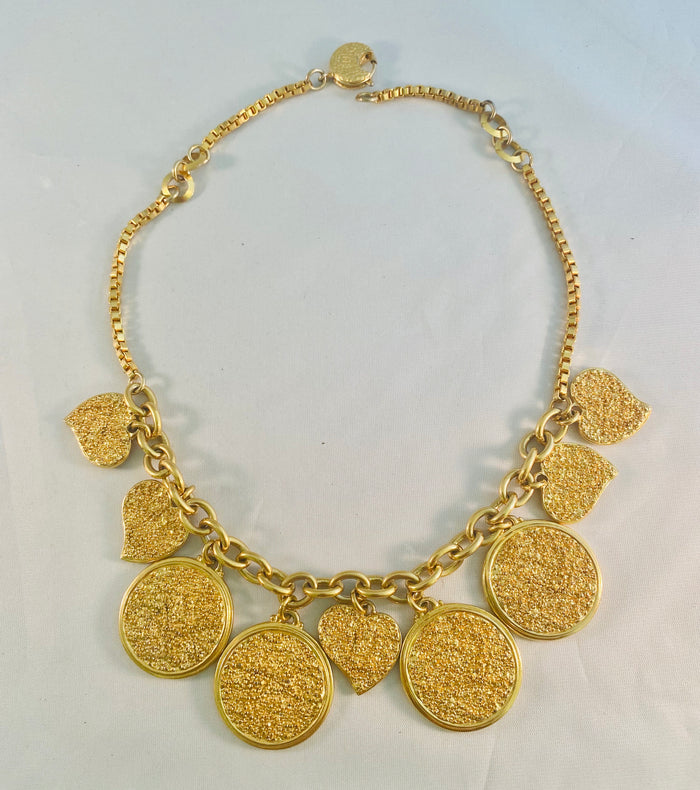
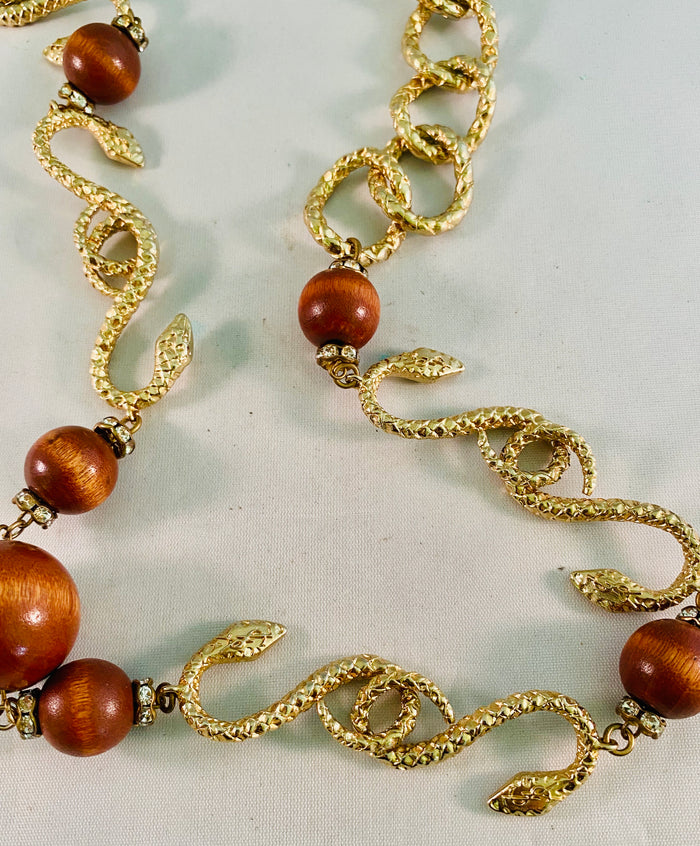
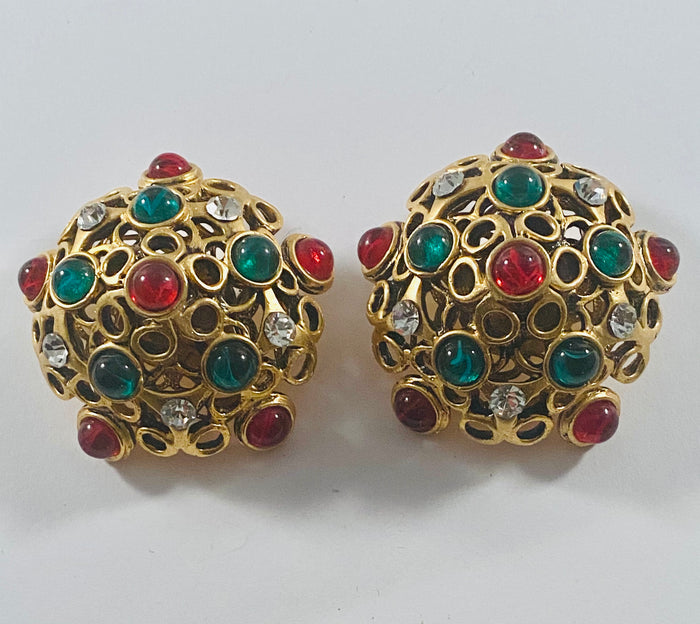
For Saint Laurent, jewelry was never decoration added at the end. It was part of the drama, conceived to complete a vision that drew as freely from Byzantium and the Ballets Russes as from the streets of Paris. To realize it he turned to Robert Goossens, the master parurier who also worked with Chanel, and to his muse Loulou de la Falaise, whose exuberant pieces became inseparable from the Rive Gauche woman.
Nowhere was this clearer than in the autumn 1976 collection, the Opéra-Ballets Russes, his homage to Diaghilev's Russia that many critics still call the most beautiful collection of the century. He showed it at a moment when the world had turned against opulence, and it was gloriously, unapologetically opulent. The jeweled cuffs that finished those looks are among the most coveted costume pieces he ever made.


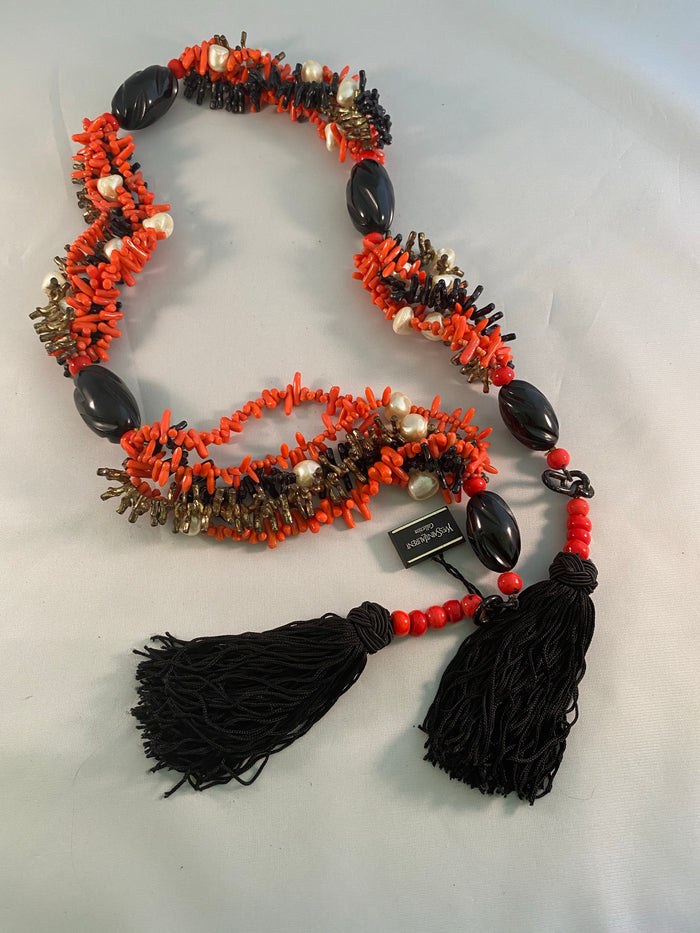
Two years later the same theatrical instinct produced the Corail Noir, a sculptural necklace of blackened metal and crystal designed by Goossens. It appeared on the spring 1978 runway, part of the Broadway-inspired collection whose strong, padded shoulders would shape the decade to come. These were not accessories in any ordinary sense. They were small sculptures, made to carry the weight and color of a Saint Laurent fantasy, and they remain some of the most collected costume jewelry in fashion.


The House Today
Saint Laurent closed his couture house in 2002 and died in 2008, mourned as the last of the great couturiers. The label he built lives on under Kering, led since 2016 by Anthony Vaccarello, who restored the founder's full name to the house after a period when it had been shortened. Earlier hands, among them Tom Ford, Stefano Pilati, and Hedi Slimane, each left their mark before him.
Yves Saint Laurent at MDVII
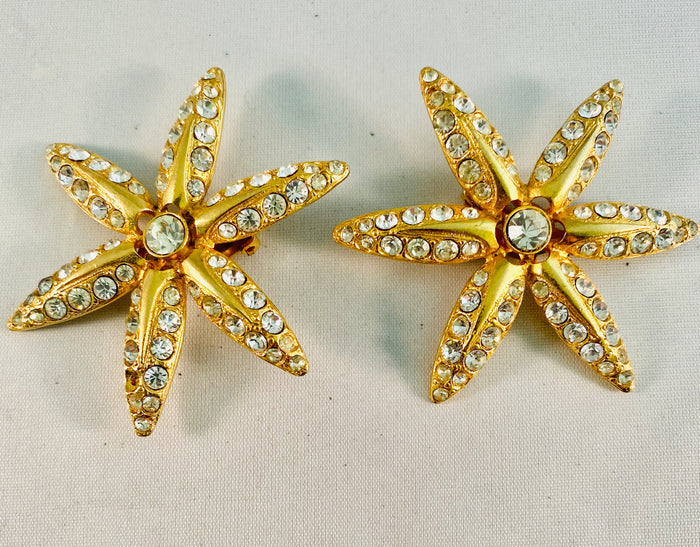
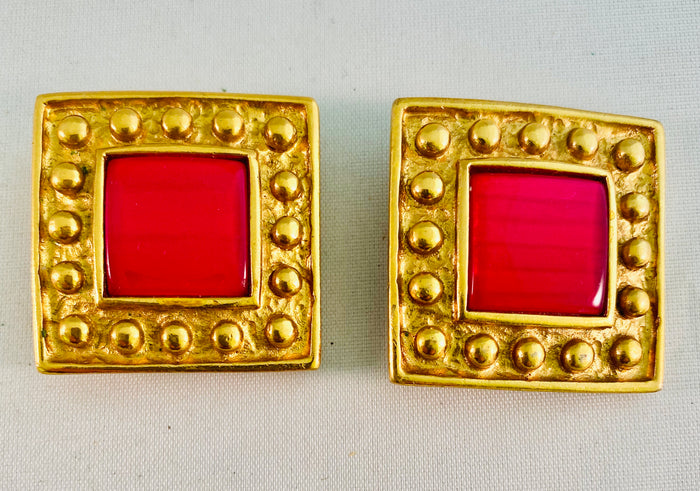
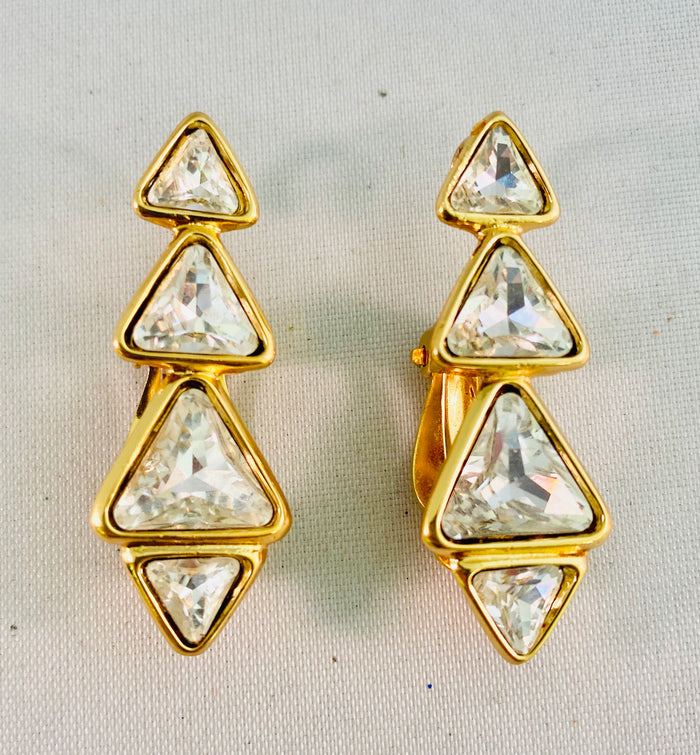
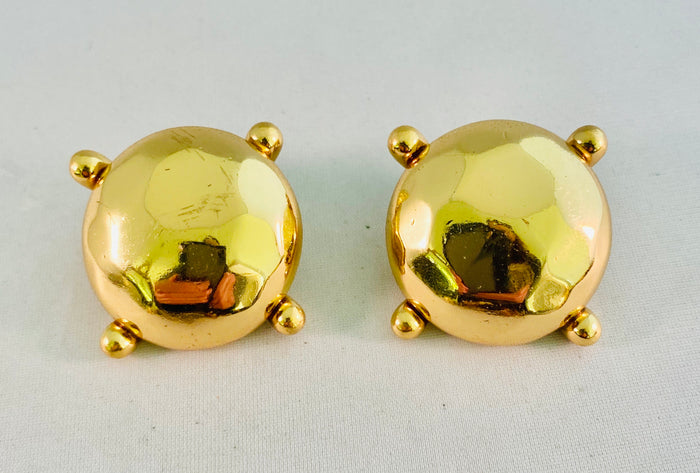
At MDVII, Saint Laurent holds a place of particular honor, and we have placed some of his most important costume jewelry, including pieces brought to auction through Christie's. The cuffs and the Corail Noir necklace shown here found new homes there in December 2025. The Yves Saint Laurent pieces available now are gathered below.