Miriam Haskell
The American original who made costume jewelry an art of the hand.
No name in American costume jewelry is spoken with more reverence than Miriam Haskell. From a single New York shop opened in 1926, she built a workshop devoted to jewelry assembled entirely by hand, and proved that faux pearls and glass beads, in the right hands, could rival anything from the fine jeweler's bench.

From Indiana to Fifth Avenue
Miriam Haskell was born in 1899 in Tell City, Indiana, the daughter of Russian Jewish immigrants who ran a dry-goods store. She came to New York and, in 1926, with a small sum of money, opened a jewelry shop called Le Bijou de l'Heure in the McAlpin Hotel. That same year she made the decision that would define her work, hiring Frank Hess, a former Macy's window dresser, to design for her.
The business grew quickly. Within a year she had opened a second shop, and by the 1930s the company had moved to Fifth Avenue, with counters at Saks and a boutique in London. Her clients ranged from Hollywood stars like Joan Crawford and Lucille Ball to the Duchess of Windsor and Gloria Vanderbilt. She was, above all, a brilliant businesswoman with an exacting eye.
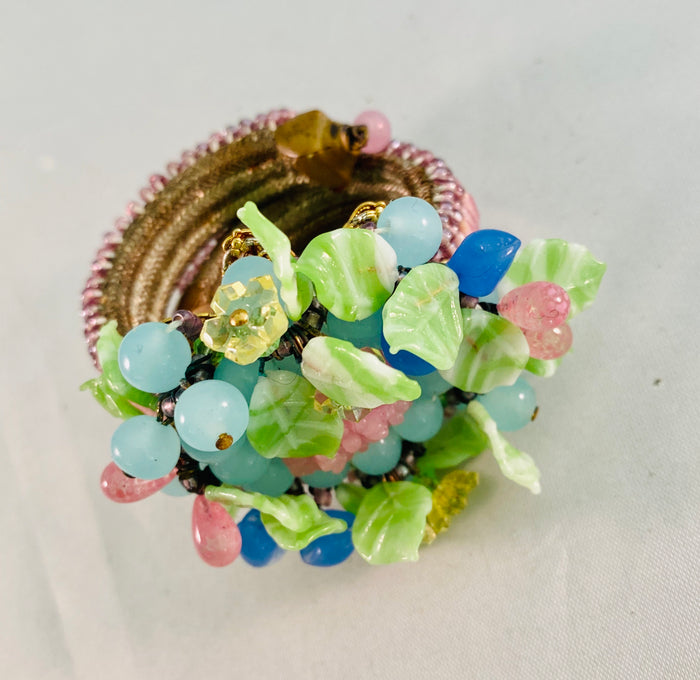
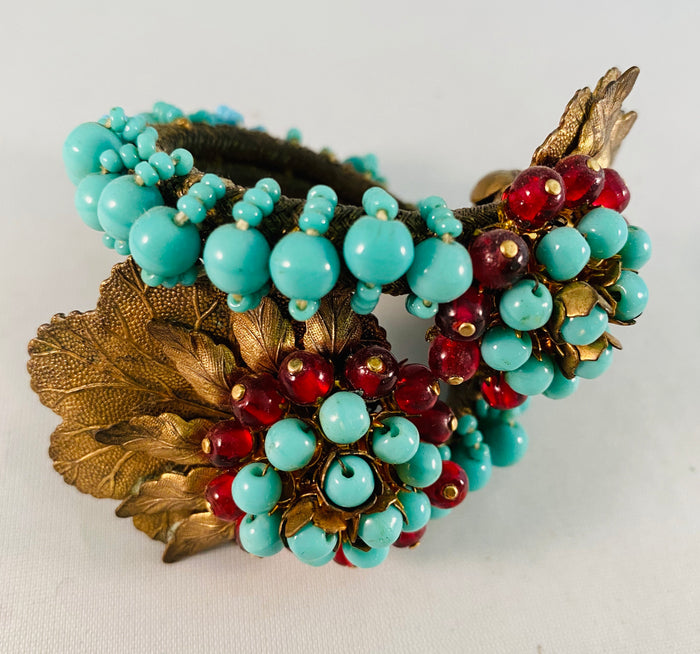
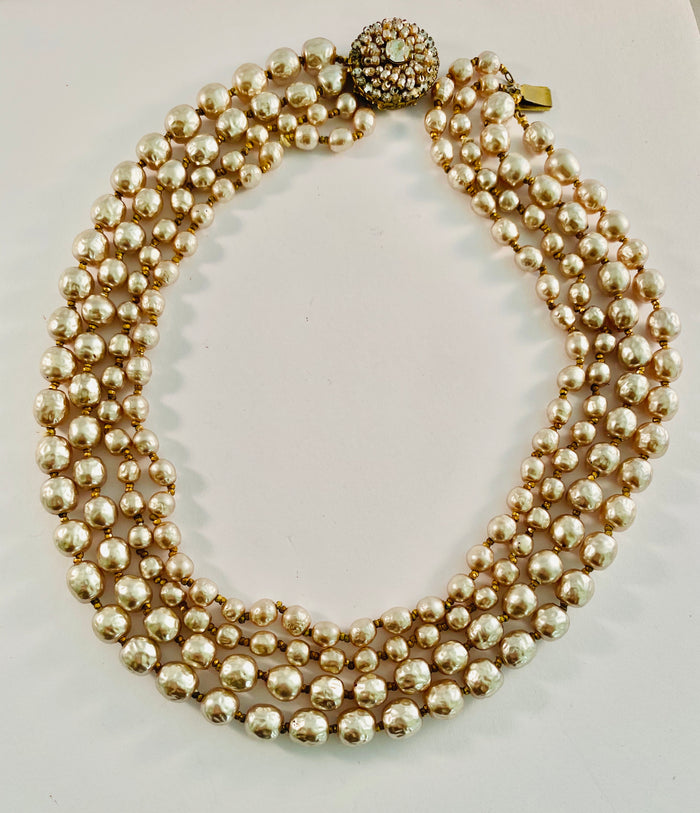
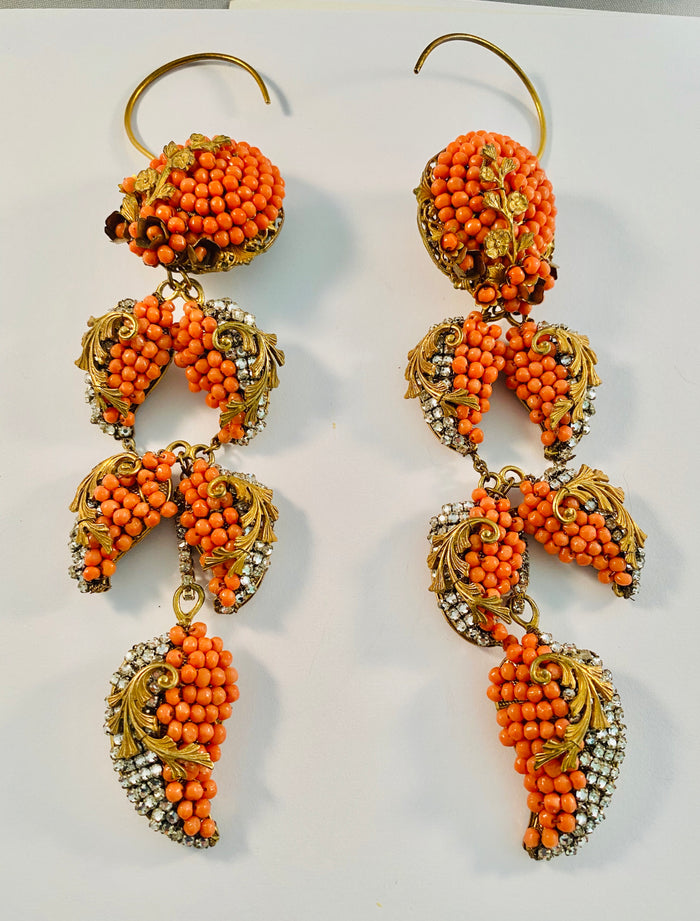
Each piece a miniature work of art, assembled entirely by hand.The Haskell Workshop
Why Her Work Matters
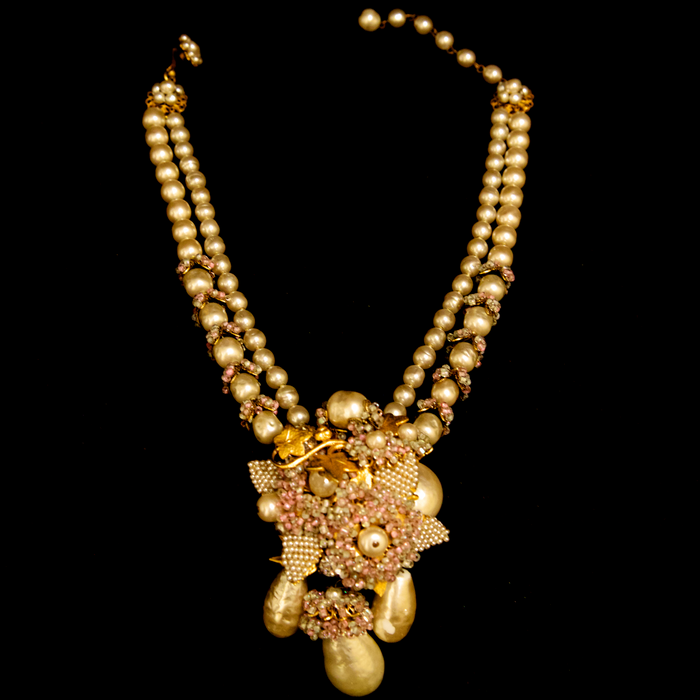
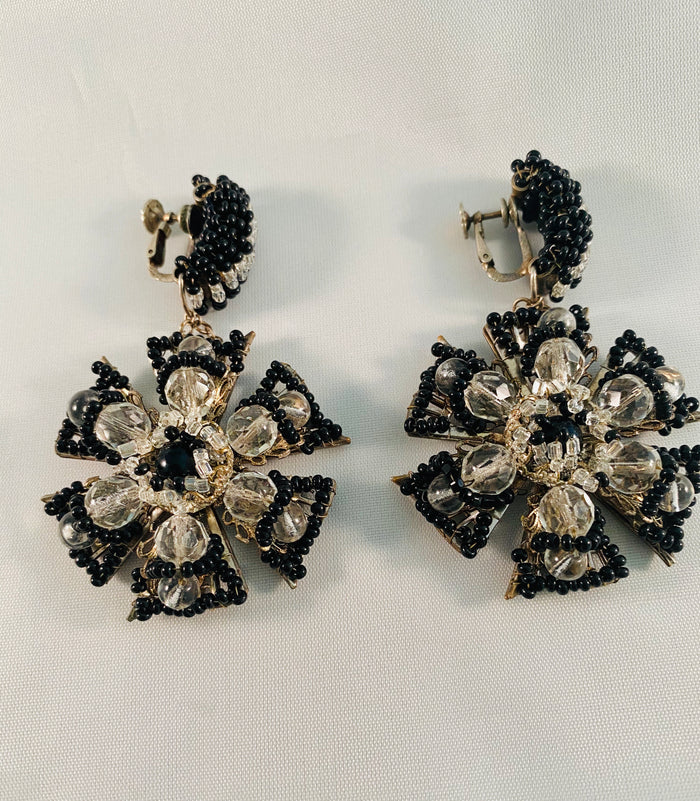
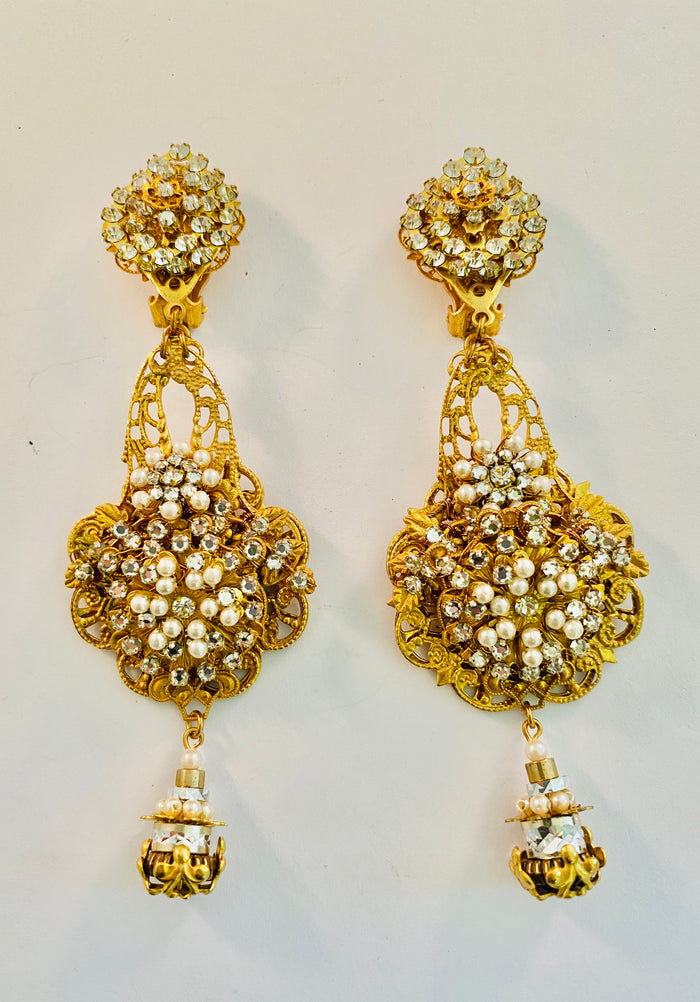
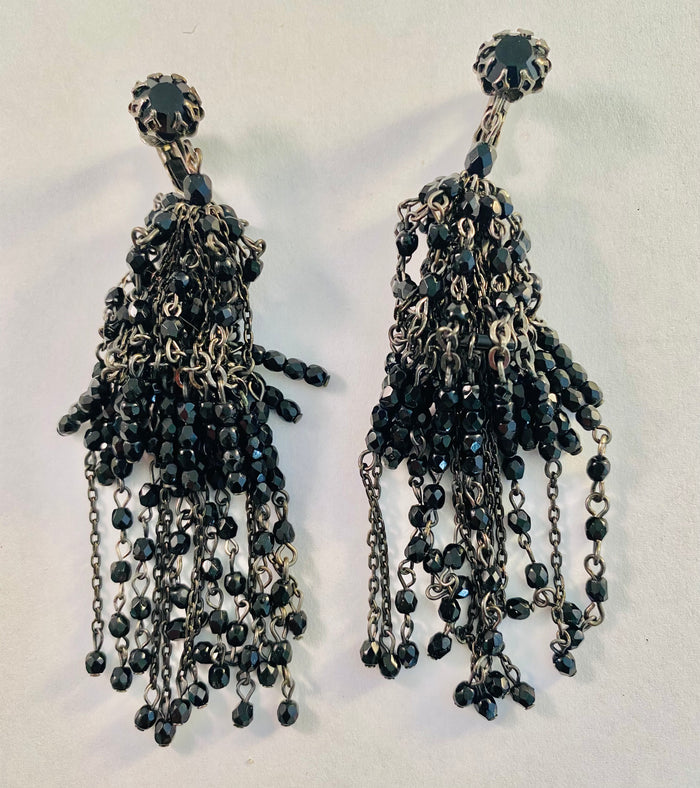
At a moment when costume jewelry was dismissed as disposable, Haskell insisted on the opposite. Her pieces were never mass-produced. Each was hand-wired and assembled bead by bead, layered so densely that the metal structure beneath all but disappeared, and finished with an intentionally organic, asymmetric grace. It was the American answer to what Chanel was doing in Paris, and in sheer craftsmanship it bowed to no one.
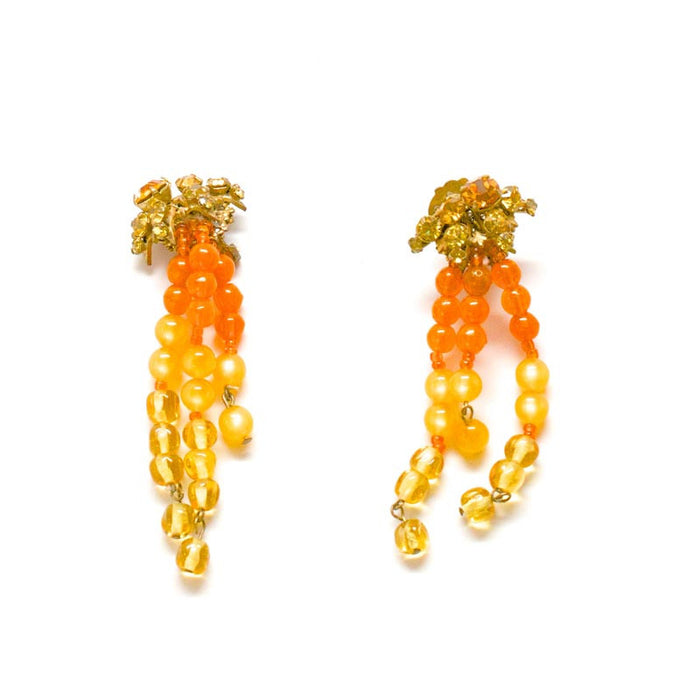
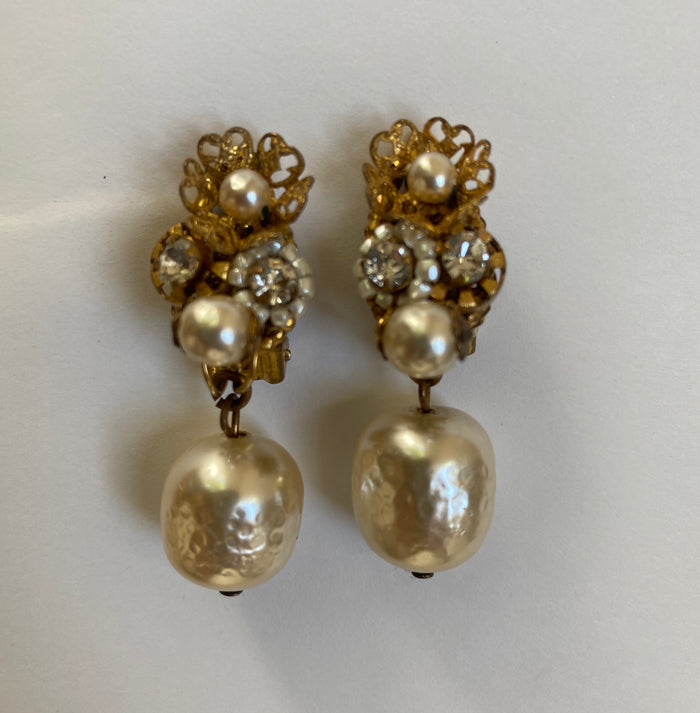
The signature look belonged in large part to Frank Hess, who stayed for more than three decades and shaped the heavily beaded, nature-inspired aesthetic collectors prize. Baroque pearls became the house emblem, joined by gilded filigree, glass beads, rose montées, and floral and leaf motifs. During the war, with metals rationed, Haskell had Hess turn to wood, plastics, and natural materials, and some of the most inventive pieces date from those lean years.
For collectors, dating is an art of its own. Haskell jewelry went largely unsigned before the late 1940s, when the earliest marks appeared, a name in a circle, then the rare horseshoe plaque, and finally the familiar oval cartouche. Because so much was unsigned, knowing the construction and the materials is everything.


The Legacy
Ill health forced Haskell to step back in 1950, and she sold the company to her brother Joseph. Frank Hess designed on until 1960, succeeded by Robert Clark and a line of designers who each kept faith with the original look. Haskell herself withdrew from public life and died in 1981, but the company she founded endured and continues today as Haskell Jewels, nearly a century after she opened that first shop.
Miriam Haskell at MDVII
At MDVII we seek out the finest vintage Haskell, the hand-wired pieces in which her craft and Frank Hess's artistry are fully alive. The Miriam Haskell pieces available now are gathered below.